Sign up for the Wellness Newsletter (at the bottom of the page) and get goodies in your inbox!


Food Guidelines for Feeding Your Chronic Illness, Part 1
Food can seem like a nightmare situation with certain chronic illnesses, but some diets can actually help treat the condition and make things easier for you. Here, I'll talk about some of the most popular health disorders and their associated diets.
CHRONIC ILLNESSNUTRITION
Megan Quinn
1/23/20264 min read


There are just so many different forms of chronic illness that affect so many different parts of the body that it’s difficult to generalize what works best for a single person. There are certainly generalities, probably well known to those who follow wellness advice - less meat, more vegetables, cut down on fat, sodium, and sugar intake.
If you suffer from multiple chronic illnesses, there may be conflicting or stacking diets that are best for feeding your body. With that in mind, let’s take a look at guidelines for specific illnesses.
Diabetes
Steady, low carbohydrates are the best way to go, making your meals balanced throughout the day. Planning out your meals Whole, nutrient-rich foods provide the necessary vitamins to keep your body going. Staying hydrated helps to keep your blood sugar leveled, and eating lots of fiber will aid digestion and slow the uptake of sugars and carbs. Remember to eat in moderation and at regular times, so that you don’t overload your body trying to digest the food (even if it’s proper food for you).
Eat:
Non-starchy vegetables - spinach, broccoli, peppers, leafy greens
Whole grains - oats, quinoa, brown rice, whole wheat pasta
Lean proteins - fish, chicken, turkey, beans, lentils, tofu, eggs
Fruits - unsweetened whole fruits
Healthy fats - avocado, nuts, seeds, olive oil, canola oil
Low-fat dairy - milk, yogurt, cheese, kefir
Limit/Avoid:
Added sugars - soda, juice, candy, cakes, cookies
Refined carbs - white bread, white rice, flour tortillas
Saturated & trans fats - fatty meats (bacon, sausage), fried foods, butter
Processed foods - packaged goods, high-sodium snacks
Alcohol {it drops your sugar at first, then spikes it}
Popular Diets Aligned with Guidelines:
Further Reading:
MedlinePlus
Alberta Health Services
Heart Disease
While whole, healthy food is important for preventing and treating heart disease, the emphasis on regular exercise and quitting smoking must be mentioned. A diet does a LOT for your body, but it only goes so far if you’re hurting yourself in other ways. Plant-based is the primary focus of heart healthy diets, making sure you cut down on fat and sodium.
Eat:
Wide variety of fruits & vegetables - eat the rainbow!
Whole grains - oats, quinoa, brown rice, whole wheat pasta
Lean proteins - legumes, nuts, fish, seafood, white meat chicken and turkey
Non-tropical vegetable oils - canola, corn, olive, soybean, sunflower
Low-fat dairy - milk, yogurt, cheese, kefir
Limit/Avoid:
Added sugars - soda, juice, candy, cakes, cookies
Foods prepared with salt
Saturated & trans fats - fatty meats (bacon, sausage), fried foods, butter
Red meat - beef, pork, veal, lamb
Processed foods - packaged goods, deli meats, hot dogs
Alcohol
Popular Diets Aligned with Guidelines:
Further Reading:
Liver Disease
Most liver diets aim to reduce the amount of fat and inflammation in the body, to lessen the strain on your liver. It is emphasized that alcohol should not be consumed, as it is directly processed through the liver and can cause more damage.
Eat:
Non-starchy vegetables - spinach, broccoli, carrots
Fruits - fresh, frozen, or canned in its own juice (not syrup)
Fish and seafood - especially cold-water fish
Poultry and eggs - skinless white meat chicken and turkey, eggs
Whole grains - oats, quinoa, brown rice, whole wheat pasta
Healthy fats - olive oil, grapeseed oil, avocado oil
Legumes and beans - peas, lentils, red beans, black beans, soy beans
Nuts and seeds - raw and unsalted versions of almonds, walnuts, cashews, chia
Polyphenols - black coffee, green tea, walnuts
Limit/Avoid:
Added sugars - soda, juice, candy, cakes, cookies
Refined carbs - white bread, white rice, flour tortillas, potato chips
Saturated & trans fats - fatty meats (bacon, sausage), fried foods, butter
Red & processed meats - beef, pork, veal, lamb, hot dogs, chicken nuggets
Processed foods - frozen meals, cheese, canned veggies with added salt
Alcohol {try out a mocktail instead}
Popular Diets Aligned with Guidelines:
Further Reading:
IBS
For irritable bowel syndrome, the common approach is to test your body with the FODMAP diet in order to see how it reacts to certain foods; then you’ll know what works and doesn’t work for you. In general, limiting fatty food, spicy food, acidic food, and alcohol, as well as reducing stress, are some of the best ways to manage flare-ups.
Eat:
Grains - oats, rice bran, gluten-free pasta, corn, quinoa, white rice
Lactose-free dairy - almond milk, coconut milk, lactose-free yogurt, hard cheeses
Less dense vegetables - bean sprouts, carrots, cucumbers, eggplant, lettuce, potatoes
Protein - beef, pork, chicken, fish, eggs, tofu
Nuts & seeds - almonds, macadamia, peanuts, pine nuts, walnuts
Citrus fruits - grapefruit, kiwi, lemon, lime, oranges
Melons and berries - banana, blueberries, cantaloupe, honeydew, strawberries
Limit/Avoid:
Gluten - breads, most cereal, grains (like wheat and rye), pasta, processed foods
Dairy with lactose - cow’s milk, yogurt, pudding, ice cream, ricotta cheese, mascarpone
Sweeteners - natural and imitation - honey, HFCS, agave nectar, sorbitol, xylitol, isomalt
Cruciferous vegetables - artichokes, Brussels sprouts, broccoli, cauliflower
Allium vegetables - garlic, onion, leek, shallot, chives
Certain legumes - chickpeas, lentils, kidney beans, soy products
High fructose fruit - apples, pears, peaches, cherries, pears, watermelon, blackberries
Popular Diets Aligned with Guidelines:
Further Reading:
This is by no means a comprehensive list of items for the diets listed, and there are many more conditions that require certain diets (I’ll write subsequent posts to cover more conditions). Of course, the best thing you can do is talk to your healthcare provider or a nutritionist to decide on what’s best for your body. You should also discuss changes in diet with your practitioner, preferably before you begin.
If you'd like some help planning out your meals
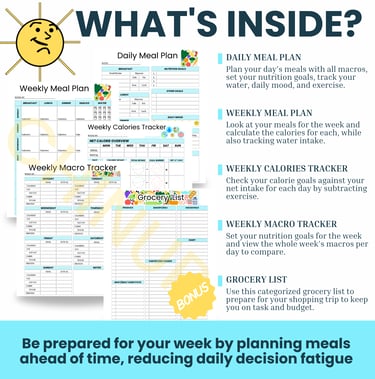
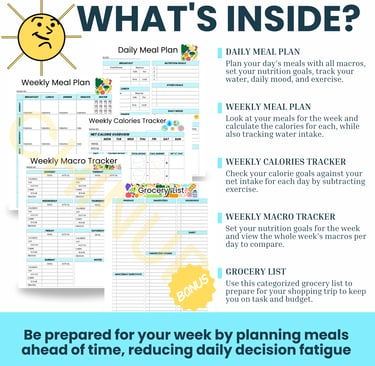
I have a Meal Plan Bundle in the shop so you can plan and track your daily and weekly meals. This cuts down on decision fatigue, potentially make unhealthy choices, and going off-diet. It comes with a bonus Grocery List so that you can be prepared for the grocery store after you've made the plan!
Positively Supportive
Join our community for chronic illness and pain support today.
Wellness Newsletter
© 2025-2026. All rights reserved.